Introduction
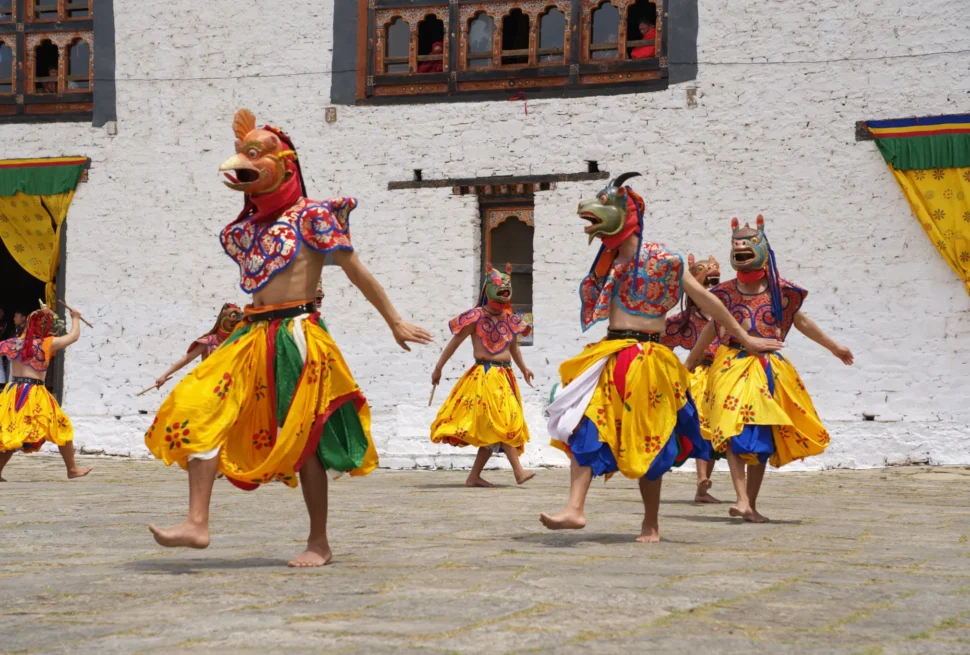
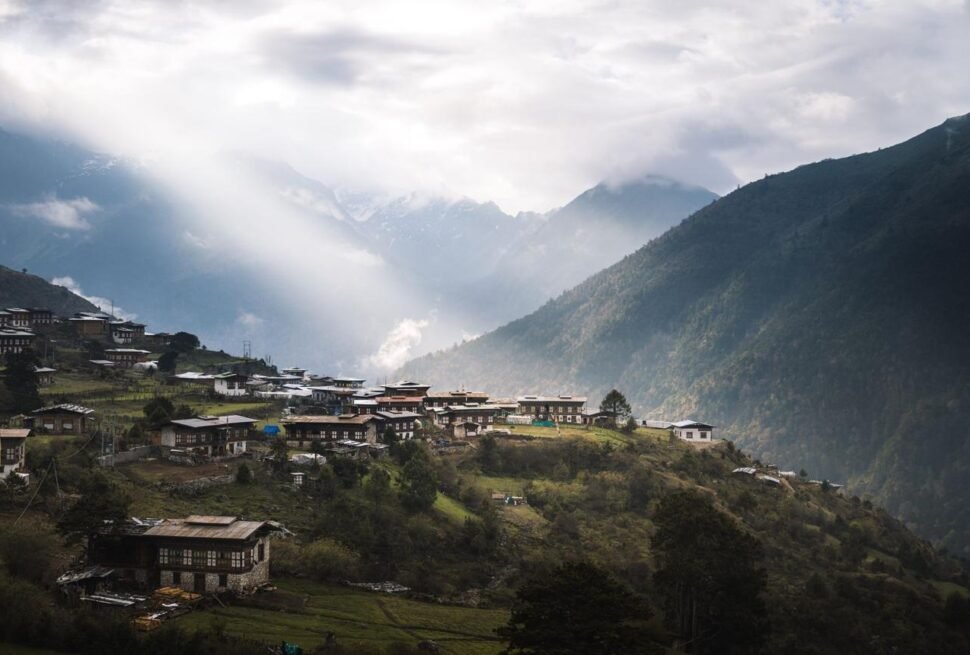
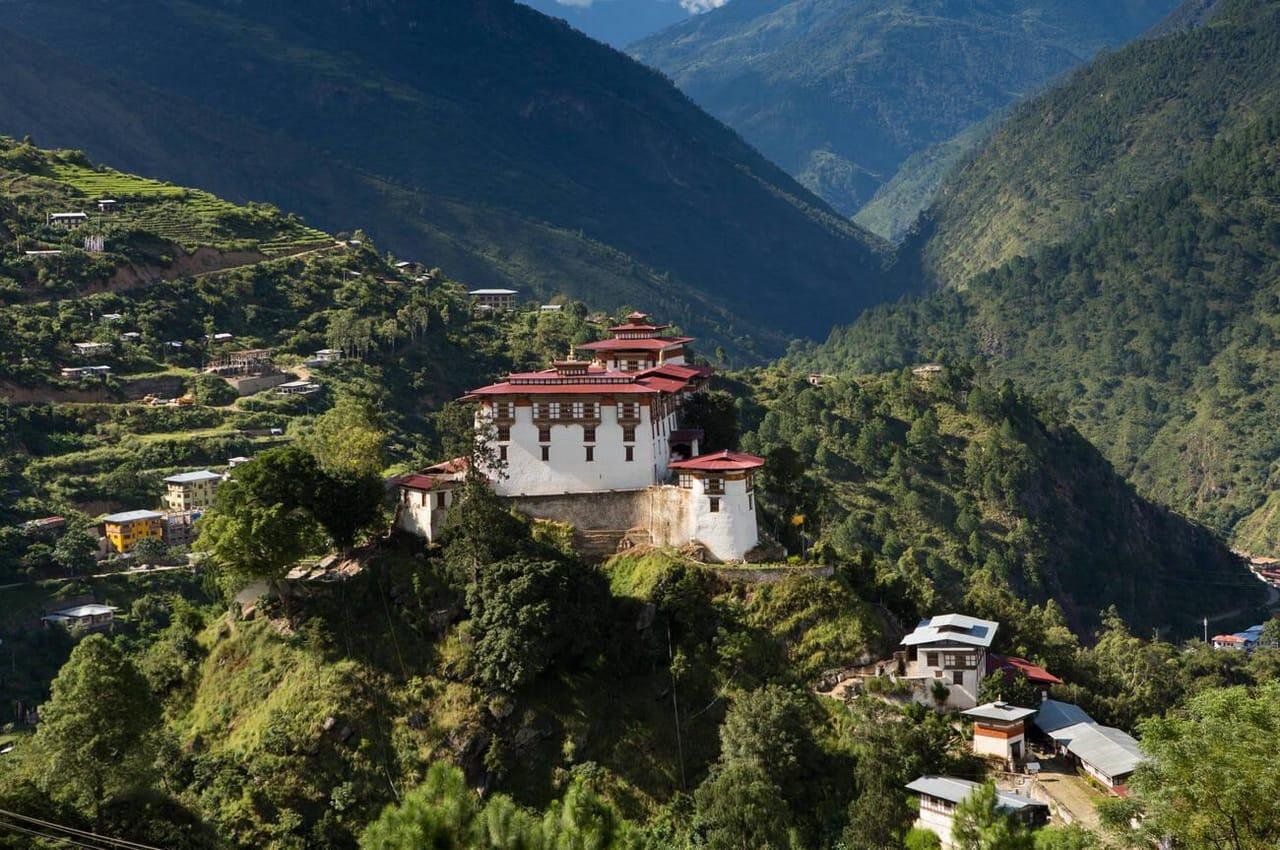
Bhutan, often called the “Land of the Thunder Dragon,” is one of the world’s most exclusive and fascinating travel destinations. Nestled in the eastern Himalayas between India and China, Bhutan is renowned for its pristine environment, ancient Buddhist traditions, majestic monasteries, dramatic mountain landscapes, and the philosophy of Gross National Happiness.
Unlike many destinations that promote mass tourism, Bhutan follows a “High Value, Low Volume” tourism policy. This approach ensures that tourism benefits local communities while protecting the country’s unique culture and environment.
Whether you are seeking spiritual experiences, breathtaking trekking routes, vibrant cultural festivals, or world-class birdwatching, Bhutan offers an unforgettable journey.
Step 1: Determine Whether You Need a Visa
All international visitors need a visa before entering Bhutan.
Indian citizens
- No visa required.
- Must carry a valid passport (minimum six months validity) or a Voter ID card.
- Entry permits are issued upon arrival.
Visitors from other countries
- Must obtain a Bhutan visa before arrival.
- The visa is processed by a licensed Bhutanese tour operator after your trip is confirmed.
Step 2: Book Your Tour
Foreign visitors should arrange their trip through a licensed Bhutanese tour operator or an international travel agent partnered with one.
Your package can include:
- Visa processing
- Hotel accommodation
- Airport transfers
- Licensed English-speaking guide
- Private transportation
- Sightseeing
- Entry fees
- Trekking arrangements
- Birdwatching tours
- Cultural experiences
Booking in advance is recommended, especially during spring and autumn.
Step 3: Pay the Sustainable Development Fee (SDF)
Bhutan charges a Sustainable Development Fee (SDF) for most foreign visitors.
This fee contributes to:
- Environmental conservation
- Free education
- Universal healthcare
- Infrastructure
- Preservation of Bhutanese culture and heritage
Always check the latest SDF rates before booking, as government policies may change.
Step 4: Choose the Best Time to Visit
Spring (March–May)
The most colourful season.
Ideal for:
- Rhododendron blooms
- Birdwatching
- Hiking
- Photography
- Pleasant temperatures
Summer (June–August)
Characterized by lush greenery and occasional rainfall.
Best for:
- Fewer tourists
- Rich landscapes
- Lower-season travel
Autumn (September–November)
The most popular travel season.
Ideal for:
- Crystal-clear Himalayan views
- Festivals (Tsechus)
- Trekking
- Photography
Winter (December–February)
Perfect for travellers seeking peaceful experiences.
Highlights:
- Black-necked cranes in Phobjikha Valley
- Snow-covered mountains
- Clear skies
- Fewer visitors
Step 5: Arriving in Bhutan
Most visitors arrive through Paro International Airport.
Major airlines operate flights from:
- Bangkok
- Singapore
- Kathmandu
- Delhi
- Kolkata
- Mumbai
The landing at Paro is considered one of the world’s most spectacular due to the surrounding Himalayan peaks.
Step 6: Currency and Payments
Bhutan’s currency is the Ngultrum (BTN).
Useful tips:
- Indian Rupees are widely accepted.
- Credit cards are accepted in many hotels and larger shops.
- Carry cash for rural areas and local markets.
- ATMs are available in major towns.
Step7: Responsible Tourism
Bhutan is one of the world’s few carbon-negative countries.
Help preserve its beauty by:
- Avoiding littering.
- Using refillable water bottles.
- Staying on designated trails.
- Respecting wildlife.
- Supporting local artisans.
- Purchasing authentic Bhutanese handicrafts.
journey to Bhutan is more than a holiday—it is an opportunity to experience a nation that has successfully preserved its traditions, natural beauty, and cultural identity while embracing thoughtful development. From snow-capped Himalayan peaks and sacred monasteries to vibrant festivals and warm Bhutanese hospitality, every moment offers a deeper appreciation of this remarkable kingdom. By travelling responsibly and respectfully, visitors not only create unforgettable memories but also contribute to Bhutan’s commitment to sustainable tourism and cultural preservation.