
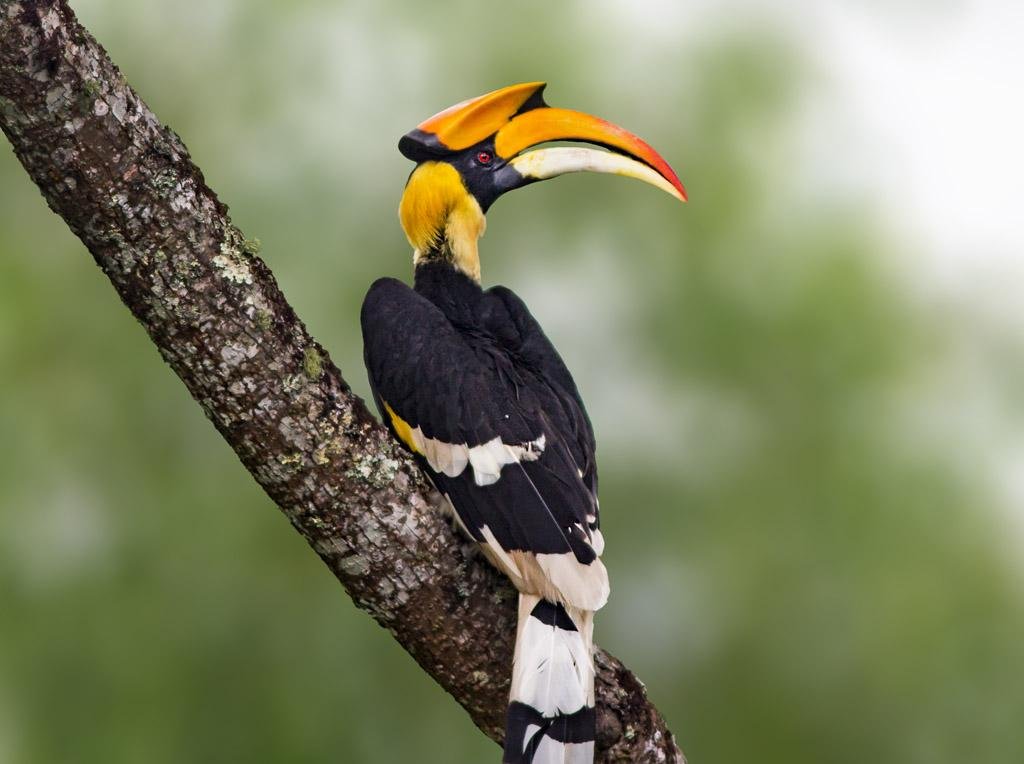
A Guide to Birding in Bhutan for Tourists
Bhutan is one of the world’s most rewarding destinations for birdwatching. With over 770 recorded bird species and more than 70% of the country covered by forests, Bhutan offers exceptional opportunities to observe rare Himalayan birds in their natural habitats. From subtropical jungles to alpine meadows, the country’s diverse ecosystems attract birdwatchers from around the globe.
Why Visit Bhutan for Birding?
Bhutan’s strong commitment to environmental conservation has preserved vast areas of pristine forest and protected habitats. The country’s varied elevations—from 150 metres in the south to over 7,000 metres in the north—support an incredible diversity of birdlife, including many rare and endangered species.
Do You Need a Special Permit?
No special permit is required solely for birdwatching. However, international visitors must obtain a Bhutan visa (except for nationals of countries with different entry arrangements) and pay the Sustainable Development Fee (SDF). Your licensed Bhutanese tour operator will arrange your visa, itinerary, accommodation, transport, and any permits needed for protected areas.
Best Time for Birding
- Spring (March–May): The best season for birdwatching, when many birds are breeding and forests are alive with birdsong.
- Autumn (September–November): Excellent weather and good opportunities to observe resident and migratory birds.
- Winter (December–February): Ideal for seeing the endangered black-necked cranes in Phobjikha Valley.
Top Birding Destinations
Some of Bhutan’s finest birding locations include:
- Royal Manas National Park – Rich subtropical forests with hornbills, trogons, and barbets.
- Jigme Dorji National Park – Home to many Himalayan and alpine bird species.
- Thrumshingla National Park – One of Bhutan’s premier birding hotspots.
- Phobjikha Valley – Famous for wintering black-necked cranes.
- Paro Valley and the surrounding forests – Excellent for woodland birds.
Birding Etiquette
To help protect Bhutan’s wildlife and ensure a positive experience:
- Keep a respectful distance from birds and their nests.
- Avoid making loud noises or disturbing wildlife.
- Stay on designated trails whenever possible.
- Do not feed birds or remove plants or natural objects.
- Carry out all rubbish and help keep Bhutan’s environment clean.
- Follow your guide’s instructions in protected areas.
What to Bring
For a successful birding trip, pack:
- Binoculars (8×42 or 10×42 recommended)
- Camera with a telephoto lens
- Bird identification guide or birding app
- Comfortable hiking shoes
- Neutral-coloured clothing
- Waterproof jacket and warm layers
- Hat, sunscreen, and a reusable water bottle
Travel with an Experienced Birding Guide
Many of Bhutan’s rare birds are difficult to locate without local knowledge. An experienced birding guide can identify bird calls, seasonal movements, and the best observation sites while ensuring your visit is safe and environmentally responsible.
At Dream Destination Travel, our experienced guides—including former forestry professionals and passionate naturalists—offer customised birdwatching tours for beginners, photographers, and dedicated birders. Whether your goal is to see the Himalayan Monal, Ward’s Trogon, Beautiful Nuthatch, or the iconic Black-necked Crane, we are committed to providing an unforgettable birding experience in Bhutan.
Join us and discover why Bhutan is one of Asia’s premier birdwatching destinations.
