Best Time to Visit Bhutan: Weather, Seasons & Travel Guide
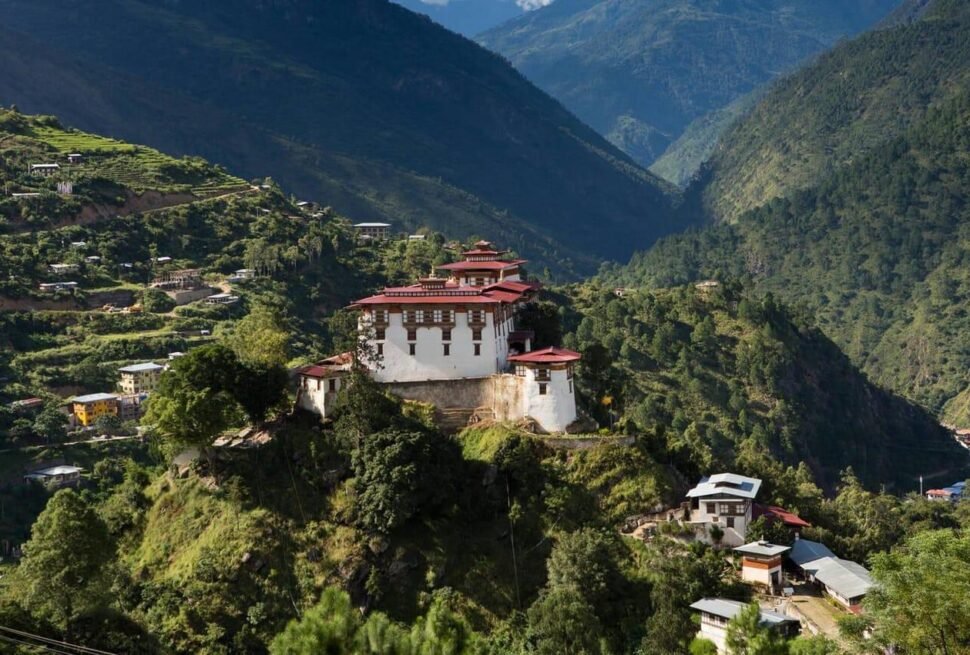
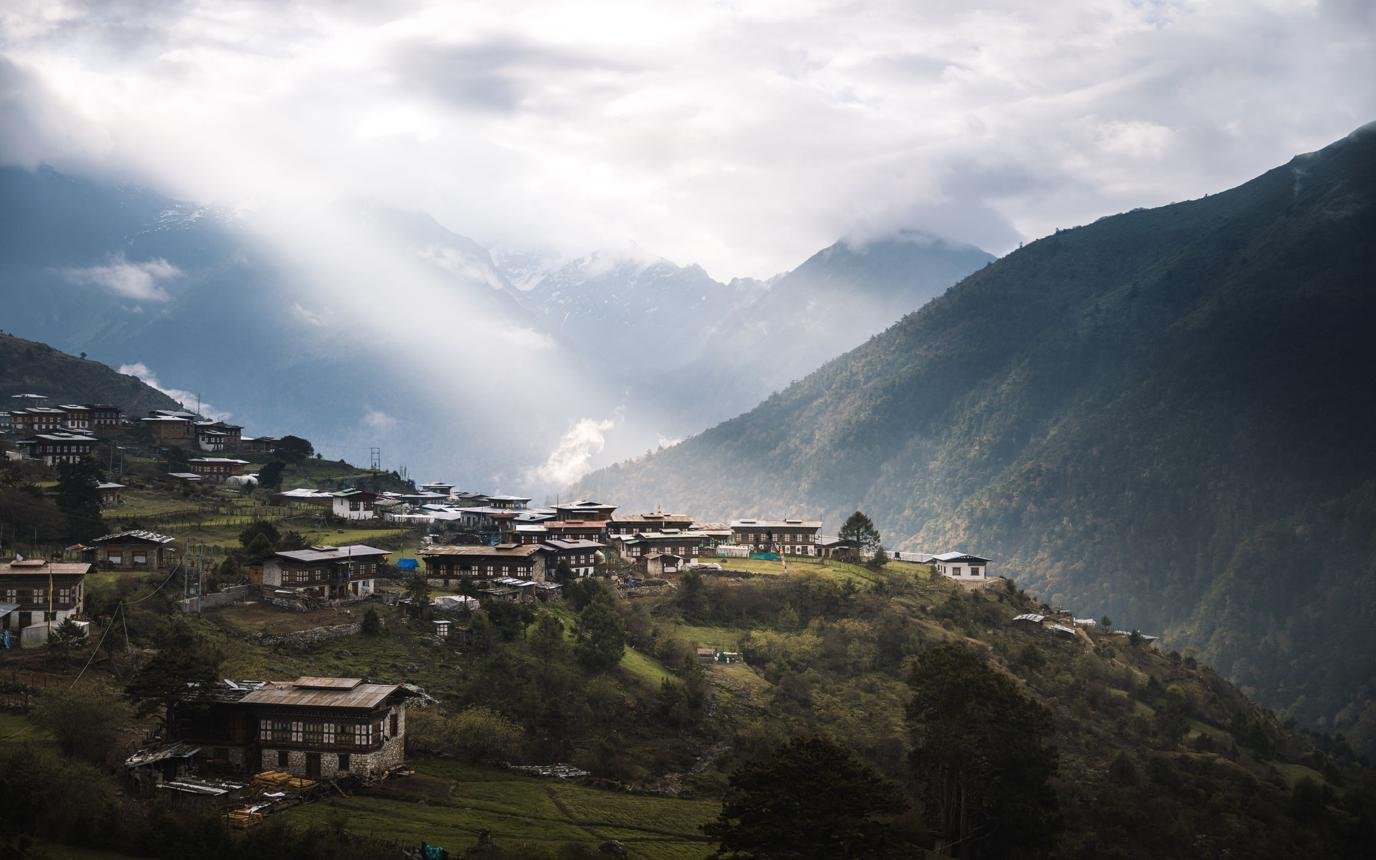
Bhutan is a destination that changes dramatically with the seasons. From clear Himalayan views and colorful spring flowers to peaceful winter landscapes and lush monsoon valleys, every time of year offers a different way to experience the Kingdom of Bhutan.
For most travelers, October to December and March to April are among the best times to visit Bhutan because of generally pleasant weather, clearer mountain views and favorable conditions for sightseeing and trekking. However, the ideal time depends on what you want to experience.
Whether you are planning a cultural tour, Himalayan trek, festival journey, family vacation or photography trip, this guide will help you choose the best time to visit Bhutan.
When Is the Best Time to Visit Bhutan?
The best time to visit Bhutan is generally spring and autumn.
Spring: March to May
Spring brings pleasant temperatures, blooming rhododendrons and increasingly clear mountain views. March and April are particularly popular for trekking and sightseeing.
May becomes warmer and more humid, especially in the lower valleys, and rainfall gradually increases.
Best for: Trekking, nature, photography, sightseeing and flowers.
Summer & Monsoon: June to September
Bhutan’s monsoon season usually brings frequent rainfall, particularly in southern and central areas. Roads and mountain trails can become wet, and cloud cover may reduce Himalayan views.
However, traveling during the monsoon can still be rewarding. The countryside becomes exceptionally green, tourist numbers are generally lower, and many sightseeing activities remain possible between periods of rain.
Best for: Green landscapes, quieter travel and travelers who do not mind occasional rain.
Autumn: October to November
Autumn is one of the most popular periods to travel to Bhutan. The weather is generally dry and pleasant, skies are often clearer, and Himalayan mountain views can be spectacular.
This period also coincides with some of Bhutan’s most important religious festivals.
Best for: Trekking, festivals, mountain views, photography and sightseeing.
Winter: December to February
Winter brings colder temperatures, particularly at higher elevations, but many lower-altitude destinations remain accessible and enjoyable.
The skies can be remarkably clear, making winter a good option for travelers interested in peaceful landscapes, photography and cultural experiences.
Phobjikha Valley is also an important winter destination because it is home to the endangered black-necked cranes during their seasonal migration.
Best for: Quiet travel, photography, cultural experiences and black-necked cranes.
Bhutan Weather by Month
Understanding Bhutan’s weather by month can help you choose the right travel period.
January
January is one of the coldest months of the year. Temperatures can fall significantly at night, particularly in higher-altitude areas.
Lower valleys such as Punakha can be considerably more comfortable than high-altitude destinations.
Good for: Cultural tours, photography and quieter travel.
February
February remains cold but conditions gradually begin to improve toward the end of the month.
The dry conditions can provide good opportunities for sightseeing, while winter landscapes remain beautiful.
Good for: Cultural tours and peaceful holidays.
March
March marks the beginning of spring. Temperatures become more comfortable and nature begins to come alive.
It is also an increasingly popular month for trekking.
Good for: Trekking, sightseeing and nature.
April
April is one of the best months for visiting Bhutan. Spring flowers are in bloom, temperatures are generally pleasant and trekking conditions can be favorable.
Rhododendrons add vibrant color to Bhutan’s mountain landscapes.
Good for: Trekking, photography, sightseeing and nature.
May
May is warmer and increasingly humid. Rainfall begins to increase, although travel remains possible.
The countryside becomes greener as summer approaches.
Good for: Nature, cultural tours and travelers seeking fewer crowds.
June
June marks the beginning of the main monsoon period. Rainfall becomes more frequent, particularly in southern and central Bhutan.
Travel plans should allow some flexibility.
Good for: Green landscapes and flexible travelers.
July
July is typically one of the wetter months in Bhutan. Mountain views can be obscured by clouds, but the valleys are lush and vibrant.
Good for: Relaxed cultural experiences and travelers comfortable with rain.
August
August continues the monsoon season. Rain can affect trekking and road journeys, but sightseeing remains possible during dry periods.
Good for: Green landscapes and quieter travel.
September
Rainfall gradually begins to decrease toward the end of September, although conditions can still be unpredictable.
The transition toward autumn brings improving travel conditions.
Good for: Flexible travelers and nature experiences.
October
October is one of the best months to visit Bhutan. The weather is generally dry, skies are often clear and mountain views can be excellent.
It is also an excellent month for trekking and cultural tours.
Good for: Trekking, festivals, photography and sightseeing.
November
November continues to offer generally favorable conditions. Days can be pleasant while temperatures become cooler, particularly in the evenings.
The clearer atmosphere can provide beautiful Himalayan views.
Good for: Trekking, photography, sightseeing and cultural tours.
December
December brings colder weather but often clear skies and peaceful landscapes.
It can be an excellent option for travelers looking for a quieter Bhutan experience.
Good for: Cultural tours, photography and winter experiences.
Best Time to Visit Bhutan for Trekking
If trekking is the main purpose of your Bhutan trip, spring and autumn are generally the best seasons.
March and April offer comfortable trekking conditions and beautiful spring vegetation. October and November are particularly attractive because of drier weather and clearer mountain views.
Popular trekking experiences include:
Druk Path Trek
Dagala Thousand Lakes Trek
Jomolhari Trek
Snowman Trek
Chele La and other short hiking experiences
High-altitude trekking requires additional preparation because weather conditions can change quickly.
Best Time to Visit Bhutan for Festivals
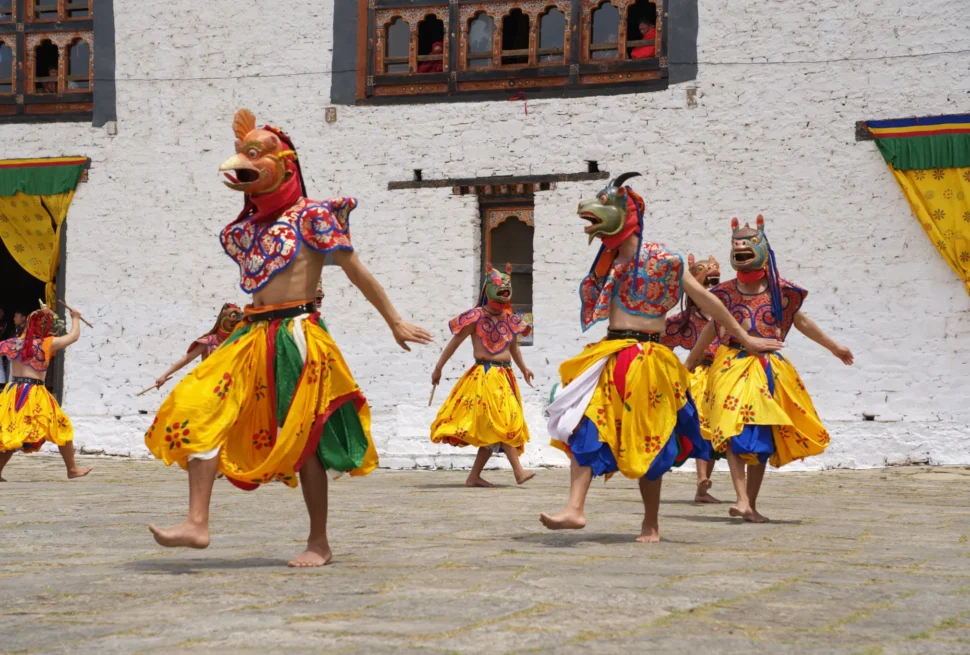
Bhutan’s religious festivals, known as tsechus, are an important part of the country’s cultural identity.
Festival dates change each year according to the Bhutanese lunar calendar. Major festivals take place throughout the year, so travelers interested in attending a particular festival should plan around its exact annual dates.
Popular festivals include:
Paro Tshechu
Thimphu Tshechu
Punakha Tshechu
Wangdue Tshechu
Jambay Lhakhang Drup
Festival periods can be particularly popular, so early planning is recommended.
Best Time to Visit Bhutan for Photography
Bhutan is a year-round photography destination, but different seasons offer different subjects.
Spring is ideal for colorful flowers and lush landscapes.
Autumn is excellent for clear Himalayan views, monasteries and traditional festivals.
Winter can provide crisp skies, dramatic landscapes and quieter locations.
Monsoon produces intensely green valleys and atmospheric landscapes.
If your priority is Himalayan mountain photography, autumn and late spring generally offer some of the best opportunities.
Best Time to See Black-Necked Cranes
Travelers interested in seeing the rare black-necked crane should consider visiting Phobjikha Valley during the winter migration season, generally from late October through February.
These endangered birds migrate to Bhutan from the Tibetan Plateau and spend the winter in the valley.
For birdwatchers and nature enthusiasts, this can be one of the most memorable experiences of a Bhutan journey.
What Is the Best Month to Visit Bhutan?
There is no single best month for everyone.
If you want the best overall combination of weather, scenery and outdoor activities, October and November are excellent choices.
For spring landscapes and trekking, March and April are particularly attractive.
For festivals, the best month depends on the specific festival you want to attend.
For black-necked cranes, winter is the ideal season.
For quieter and potentially more flexible travel, the monsoon months can also offer a different side of Bhutan.
Bhutan Travel Seasons at a Glance
| Season | Months | Conditions | Best For |
|---|---|---|---|
| Spring | March–May | Mild, increasingly warm | Trekking, flowers, sightseeing |
| Monsoon | June–September | Wet and humid | Green landscapes, quieter travel |
| Autumn | October–November | Dry and clear | Trekking, festivals, photography |
| Winter | December–February | Cold and generally dry | Cranes, photography, cultural tours |
So, When Should You Visit Bhutan?
The right time depends on the experience you want.
Choose spring if you want flowers, trekking and pleasant mountain landscapes.
Choose autumn if you want clear skies, trekking, festivals and Himalayan views.
Choose winter if you prefer quieter travel, crisp landscapes and the chance to see black-necked cranes.
Choose monsoon if you enjoy lush green scenery and do not mind occasional rainfall.
Whenever you decide to visit, Bhutan offers something distinctive in every season.
Plan Your Bhutan Journey with Dream Destination Travel
Planning a Bhutan holiday involves more than choosing travel dates. Your itinerary, accommodation, transportation, activities and seasonal conditions can all influence your experience.
At Dream Destination Travel, we can help you plan a Bhutan journey around your interests, travel dates and preferred experiences.
Whether you are looking for a cultural tour, Himalayan trekking adventure, Bhutan festival experience, family holiday or customized itinerary, our team can help you create a journey that suits your travel style.
Ready to discover Bhutan? Contact Dream Destination Travel and start planning your journey to the Kingdom of Bhutan.